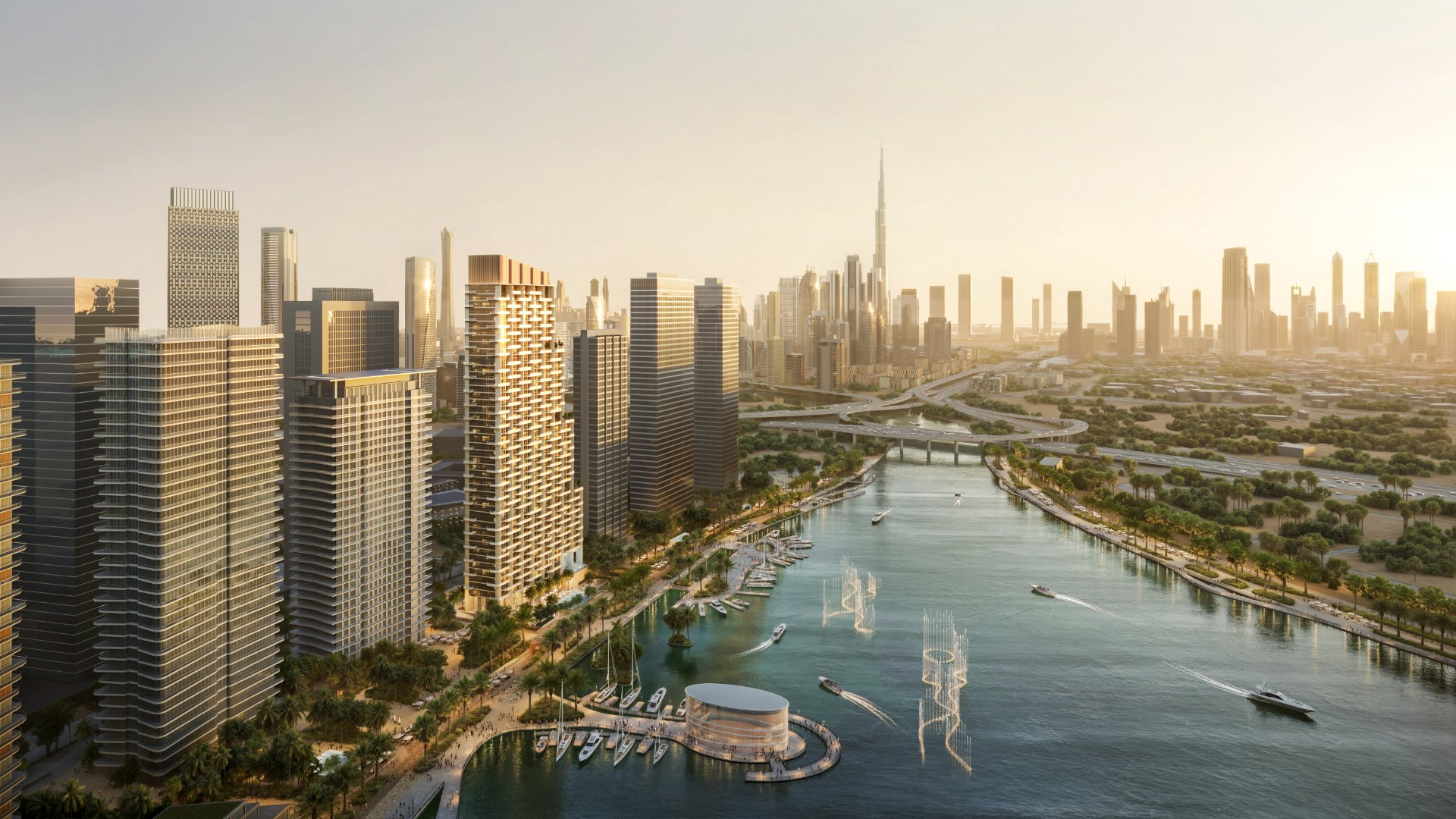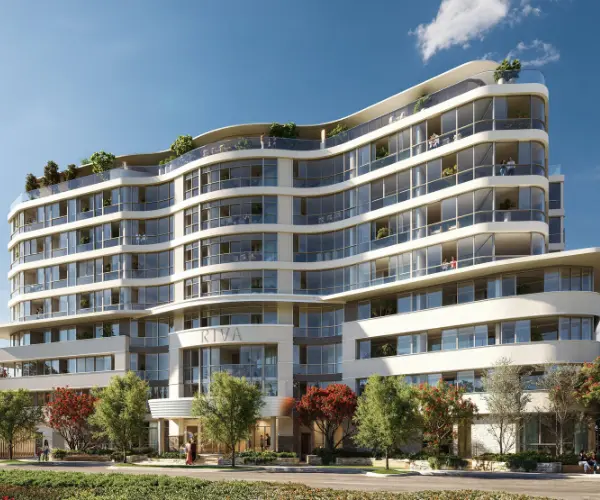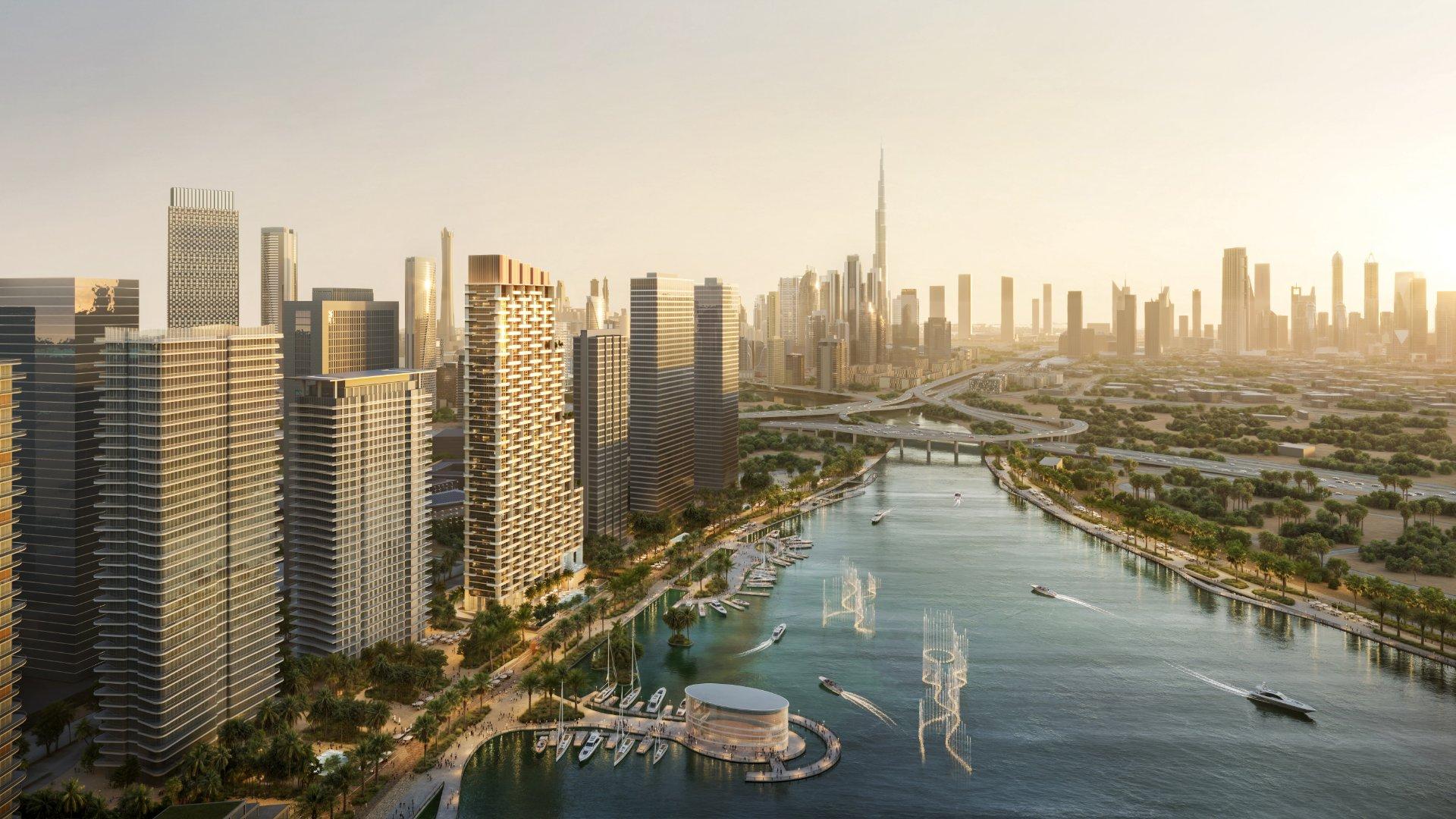
A year on, the picture looks different. Total property transactions fell nearly 44 per cent year-on-year in October, and buyers increasingly shifted towards completed homes rather than off-plan developments. The market hasn't crashed, but it has become more selective. For Australians buying off the plan, it's a useful case study in what to check before you sign.
Look at What's Being Completed, Not Just What's Being Launched
Dubai's big story this year is supply. The city delivered a record 24,800 new homes in H1 2026, and the longer-term pipeline includes 162,500 units scheduled for 2027 and 128,200 homes in 2028. More completions bring more choice for buyers, and more competition for anyone trying to resell or rent.
The lesson for Australian buyers: before committing, find out how many apartments are due for completion in the same suburb around your settlement date. If several similar buildings finish at once, you may be competing with hundreds of identical units for tenants and buyers. Council approvals, local agents and independent research reports are good places to start.
Watch for Hidden Supply
Dubai analysts point out that a significant volume of off-plan inventory can effectively behave as supply before handover because it trades freely in the secondary market. In plain terms, investors who bought early to resell before completion add stock that doesn't show up in standard pipeline figures.
In Australia, ask how many apartments in the building were sold to investors and how many to owner-occupiers. A building with a strong owner-occupier base tends to be steadier at settlement and beyond. As Knight Frank's Faisal Durrani put it in Dubai, "End-user depth is now the key differentiator."
Don't Count on a Quick Exit
Buying off the plan and selling before completion can look like easy money in a rising market. In Dubai, some secondary off-plan sales have occurred at or below launch prices, with reported double-digit discounts in certain investor-heavy areas. Analysts call these isolated pockets, but they show that a quick profit is never guaranteed.
Buy off the plan because you'd be happy to own the finished home. Have finance ready for settlement and don't rely on a resale to get out.
Check the Developer's Track Record
Dubai's market is dominated by big, established developers. Damac Properties led off-plan transaction volumes with an 11.4 per cent share in 2025, followed by Emaar Properties and Binghatti. Buyers there increasingly favour developers with a history of finishing buildings on time.
Do the same here. Look at the developer's completed projects, visit one if you can and talk to owners. Ask about delays, defects and how problems were handled after handover. Check who the builder is too, since the builder's financial health matters just as much as the developer's.
Know Where Your Deposit Sits
Dubai's main protection for buyers is its escrow system. Dubai developers have been required to open separate escrow accounts for each off-plan project since 2007, and the developer can only access funds once they have achieved certain milestones in the construction process.
Australian buyers have their own protections, which vary by state. Before you sign, get your solicitor to explain where your deposit will be held, what happens if the project is delayed or cancelled, and how the sunset clause works.
The Bottom Line
Dubai shows that off-the-plan buying works best when it's driven by real demand, not speculation. Whether you're buying in Business Bay or Parramatta, the questions are the same: how much new supply is coming, who else is buying, and can the developer deliver?